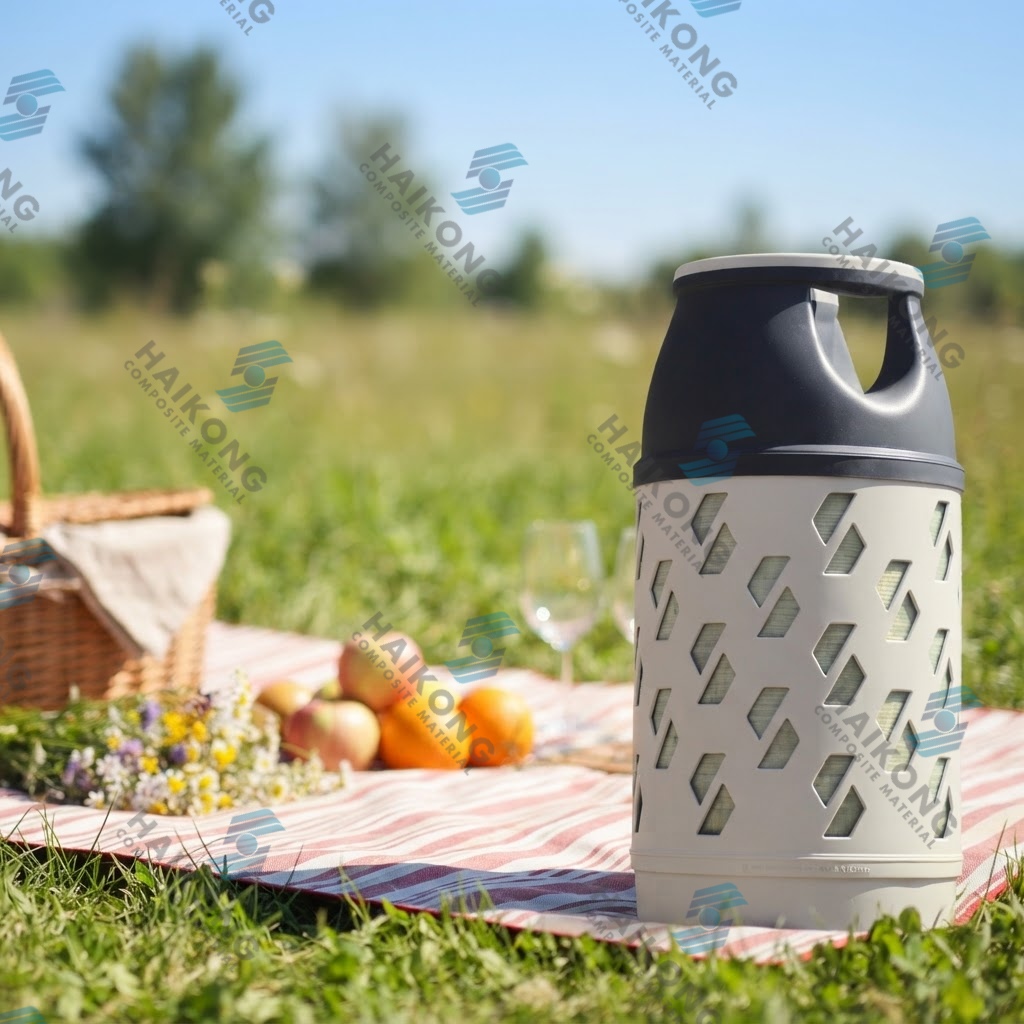
Proper storage is essential for maintaining the safety, performance, and longevity of composite LPG cylinders. Whether used in residential, commercial, or industrial applications, following recommended storage practices can help reduce risks and ensure reliable operation throughout the cylinder's service life.
Store Cylinders in a Well-Ventilated Area
Composite LPG cylinders should always be stored in locations with adequate ventilation. Good airflow helps maintain a safe storage environment and supports compliance with industry safety requirements. Enclosed or poorly ventilated spaces should be avoided whenever possible.
Keep Away from Heat Sources
Storage areas should be located away from open flames, sparks, electrical equipment, and other potential ignition sources. Excessive heat exposure may affect cylinder components and reduce overall performance. A cool, dry, and shaded environment is recommended for long-term storage.
Maintain Upright Positioning
Composite LPG cylinders should always be stored upright. Proper positioning protects the valve assembly and helps ensure safe handling. Cylinders should not be laid horizontally, inverted, or stacked in unstable arrangements.
Protect Cylinders from Environmental Exposure
Although composite cylinders offer excellent corrosion resistance compared with traditional steel cylinders, prolonged exposure to harsh environmental conditions should still be minimized. Protecting cylinders from direct sunlight, standing water, and unnecessary contamination can help maintain their appearance and performance.
Organize Storage Areas Properly
Storage facilities should be kept clean and organized. Full cylinders, empty cylinders, and cylinders awaiting inspection should be stored separately and clearly identified. Adequate spacing should be maintained to facilitate routine inspections and emergency access.
Conclusion
Proper storage practices play a critical role in ensuring LPG safety and maximizing cylinder service life. By maintaining suitable storage conditions and following recommended safety guidelines, users can improve operational efficiency while reducing potential risks associated with LPG cylinder storage.